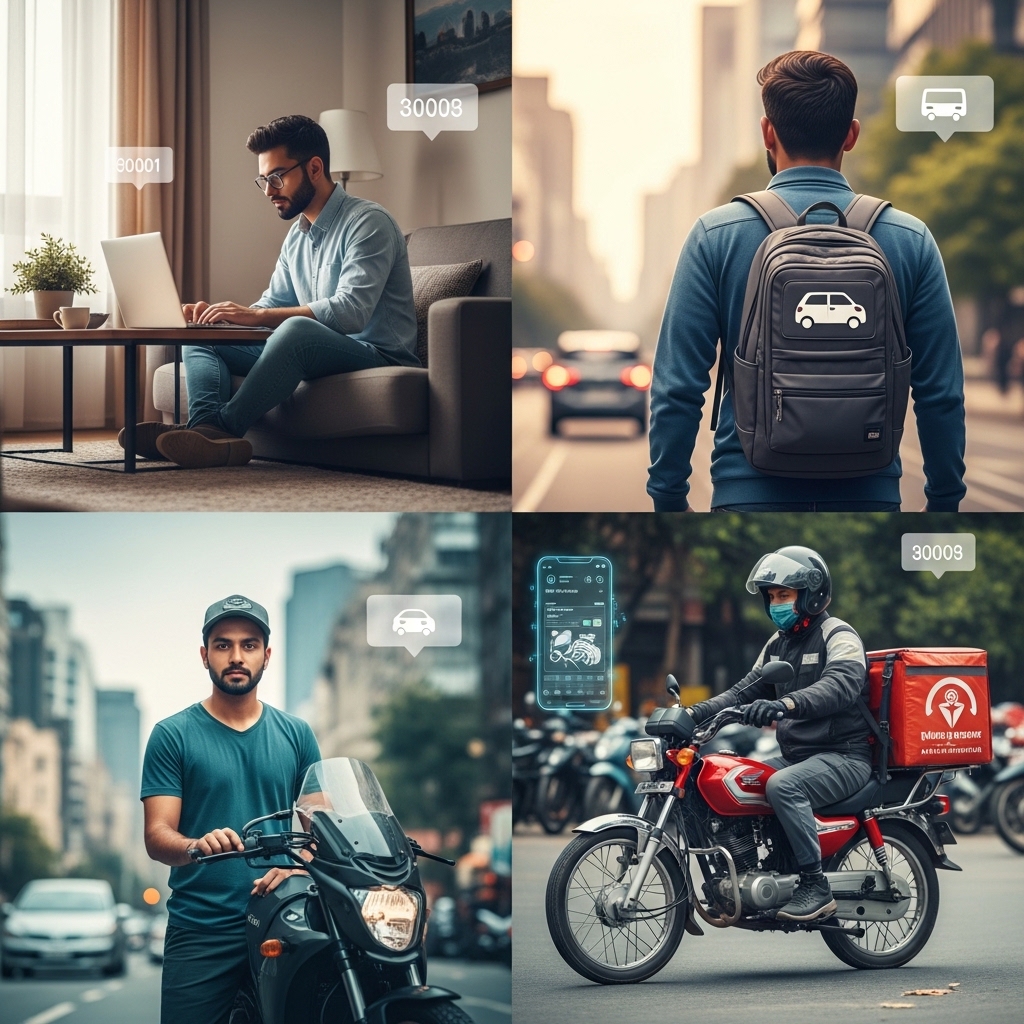
Pakistan’s gig economy has created new income opportunities, but it also presents serious challenges. Many gig workers operate without legal protections, minimum wage guarantees, or social security benefits. Payment barriers, platform dependence, and unstable income make gig work uncertain for thousands of digital workers across the country.
Over the past decade, Pakistan has emerged as one of the world’s fastest-growing hubs for freelancers and digital workers. From software developers and designers to ride-hailing drivers and delivery riders, millions of Pakistanis are now part of the gig economy.
This transformation has created new opportunities for income generation and global work. However, behind the success stories lies a complex reality. While the gig economy offers flexibility and independence, it also exposes workers to significant risks and challenges that are often overlooked.
Understanding these challenges is essential to building a sustainable and fair digital economy in Pakistan.
The gig economy refers to a labor market where individuals work on short-term contracts, freelance projects, or platform-based tasks instead of traditional full-time employment.
Common examples in Pakistan include:
These workers are usually classified as independent contractors rather than employees, meaning they operate outside many traditional labor protections.
One of the biggest concerns in Pakistan’s gig economy is the absence of a clear legal framework.
Unlike traditional employees, gig workers typically do not receive:
Because they are treated as independent contractors, they fall outside the coverage of institutions such as the Employees’ Old-Age Benefits Institution (EOBI) and provincial social security systems.
This leaves millions of workers without basic protections that are normally associated with employment.
Another major issue is income instability.
Gig workers often rely on fluctuating demand, platform algorithms, and client availability. This can lead to unpredictable monthly earnings.
Research on Pakistan’s platform economy shows that many workers put in long working hours but still struggle financially. In some cases, operating costs such as fuel, internet, and equipment reduce their net earnings significantly.
Ride-hailing drivers and delivery riders, for example, must cover expenses like fuel and vehicle maintenance themselves, which directly affects their take-home income.
Payment infrastructure is another challenge for Pakistani freelancers.
Many global clients prefer payment systems such as PayPal, which are not available in Pakistan. This forces freelancers to rely on alternative services or intermediaries that may charge higher transaction fees or cause delays.
Additionally, freelancers often face difficulties opening bank accounts or accessing financial services without proof of stable income.
These barriers limit financial inclusion and reduce the overall efficiency of the freelance ecosystem.
Gig workers depend heavily on digital platforms for work opportunities. These platforms often use automated systems and algorithms to manage worker performance.
Workers may face penalties such as account suspension or reduced visibility if their ratings decline.
In some cases, gig workers report that their accounts can be deactivated without clear explanations, leaving them without income or a dispute resolution mechanism.
This creates a power imbalance between platforms and workers.
For many gig workers, especially delivery riders and ride-hailing drivers, physical safety is a major concern.
Workers frequently operate under tight deadlines and long working hours, increasing the risk of road accidents and fatigue.
Reports have shown that a significant share of road accidents in major cities involve delivery riders who work under pressure to complete more orders.
Despite these risks, many gig workers lack insurance coverage or medical support.
Another hidden challenge of the gig economy is intense global competition.
Because freelancers from different countries compete on the same platforms, pricing pressure often pushes rates downward.
In Pakistan, where many young people are entering freelancing, oversupply of workers can lead to lower project prices and reduced earnings for experienced professionals.
This phenomenon is sometimes described as a “race to the bottom”, where freelancers lower prices to secure projects.
Despite its challenges, the gig economy continues to play a significant role in Pakistan’s digital transformation.
It provides opportunities for:
Pakistan’s young population and growing internet penetration make the gig economy an important component of the country’s digital future.
However, sustainable growth requires addressing the structural problems that gig workers face.
To build a healthier gig economy, several improvements are often suggested by industry experts and policymakers:
Clear regulations can help define gig worker rights and responsibilities.
Improving international payment systems and financial inclusion would benefit freelancers.
Basic protections such as insurance, dispute resolution mechanisms, and fair payment policies could improve worker welfare.
Training programs can help freelancers move toward higher-value services and better earnings.
The gig economy in Pakistan will likely continue expanding as digital platforms, remote work, and online entrepreneurship grow.
However, the future success of this ecosystem will depend on how well the country balances innovation with worker protection.
Ensuring fair working conditions, financial access, and regulatory clarity could help Pakistan transform its gig economy from a survival mechanism into a sustainable pillar of the digital economy.
Pakistan’s gig economy represents both opportunity and uncertainty. While millions of workers benefit from flexible digital jobs, many also face unstable income, lack of protection, and limited financial support.
Addressing these challenges will be critical to ensuring that the growth of freelancing and platform work translates into long-term economic empowerment rather than precarious employment.
The conversation around the gig economy must therefore move beyond success stories and include meaningful discussions about worker rights, fair compensation, and sustainable digital growth.