The most valuable skills to learn before AI replaces jobs include critical thinking, creativity, emotional intelligence, leadership, complex problem-solving, and communication. These human abilities require judgment, empathy, and innovation, making them significantly harder for artificial intelligence systems to replicate in real-world situations.
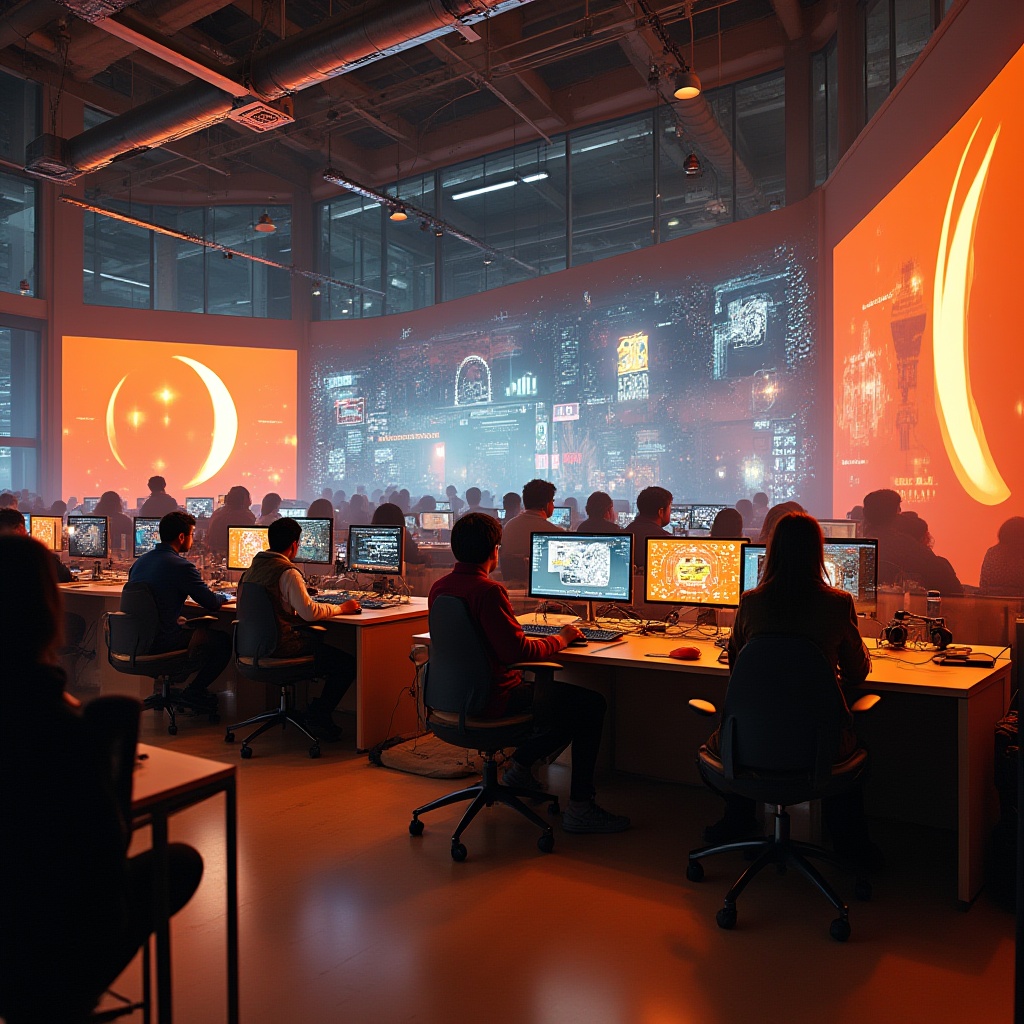
Artificial Intelligence is rapidly transforming industries across the world. From automating routine office work to assisting in software development, AI is becoming an essential tool in modern workplaces. However, while AI can analyze large amounts of data and perform repetitive tasks efficiently, there are still several human skills that remain difficult for machines to replicate.
Understanding these skills is essential for students, freelancers, entrepreneurs, and professionals who want to stay relevant in the future of work.
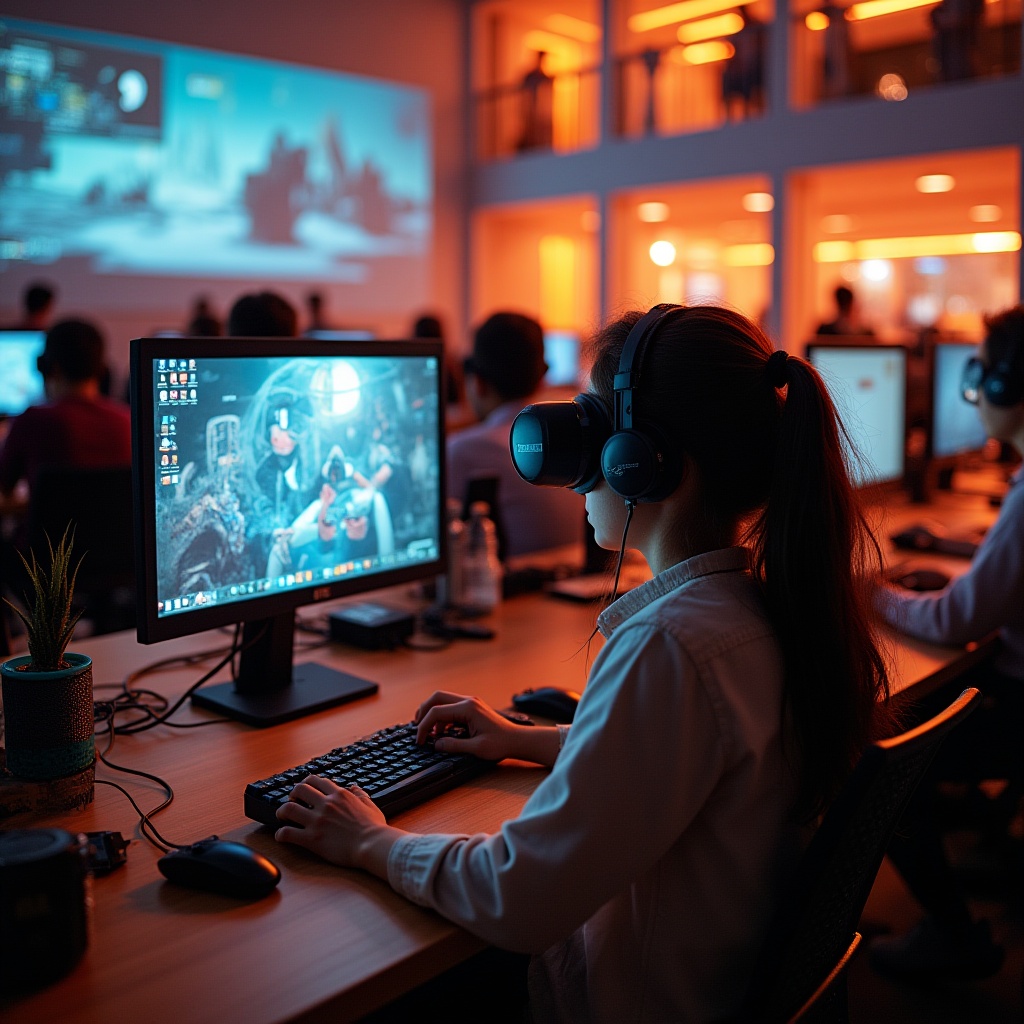
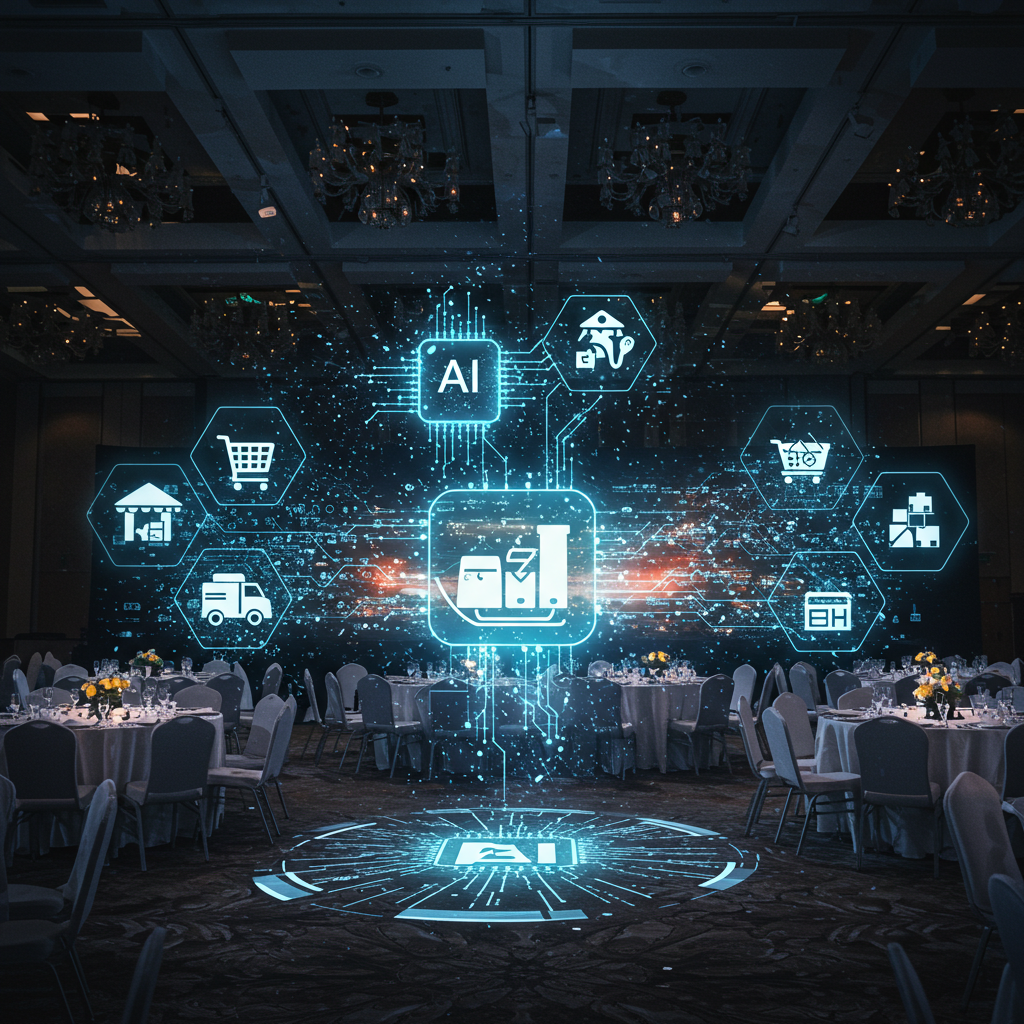
Artificial intelligence is already being used in sectors such as healthcare, finance, marketing, manufacturing, and customer service. Tools powered by AI can write reports, generate images, analyze trends, and even assist with coding.
According to reports from organizations such as the World Economic Forum and McKinsey, automation will reshape many job roles over the next decade. However, rather than eliminating all jobs, AI is expected to change the nature of work, increasing demand for uniquely human capabilities.
This means the most valuable professionals will be those who combine technology with human intelligence.
Critical thinking involves evaluating information carefully, questioning assumptions, and making logical decisions. AI can analyze data quickly, but it still struggles with context, ethics, and nuanced judgment.
Professionals who can interpret complex situations, assess risks, and make strategic decisions will remain essential in organizations.
AI can generate content based on existing data, but true creativity involves imagination and new perspectives. Artists, designers, entrepreneurs, and innovators rely on creativity to develop ideas that have never existed before.
Human creativity drives innovation in industries such as:
Even in AI-powered environments, creative professionals are needed to guide, refine, and shape outputs.
Emotional intelligence includes empathy, social awareness, and the ability to manage relationships effectively.
AI may recognize patterns in communication, but it cannot genuinely understand human emotions or build authentic relationships. Skills such as conflict resolution, negotiation, and empathy remain deeply human.
These skills are particularly important for roles in:
Effective communication is more than sharing information. It involves persuasion, storytelling, listening, and adapting messages for different audiences.
Leaders, entrepreneurs, and freelancers rely heavily on communication skills to build trust, present ideas, and collaborate with teams.
Even in a technology-driven world, the ability to explain complex ideas clearly remains a valuable skill.
Real-world problems often involve uncertainty, incomplete information, and multiple stakeholders.
AI systems are designed to solve well-defined problems, but they often struggle with ambiguous or unpredictable situations.
Humans who can combine creativity, logic, and experience to solve complex challenges will continue to play a crucial role in organizations.
Leadership requires vision, responsibility, and the ability to motivate people toward shared goals.
While AI can provide data insights, it cannot take accountability for decisions or inspire teams during difficult times. Strong leaders are needed to guide organizations through change, especially during technological transformations.
One of the most important skills in the AI era is the ability to continuously learn.
Technology evolves rapidly, and professionals must adapt to new tools, platforms, and industries. People who remain curious and open to learning will be better prepared for future opportunities.
Adaptability allows individuals to work alongside AI rather than compete with it.
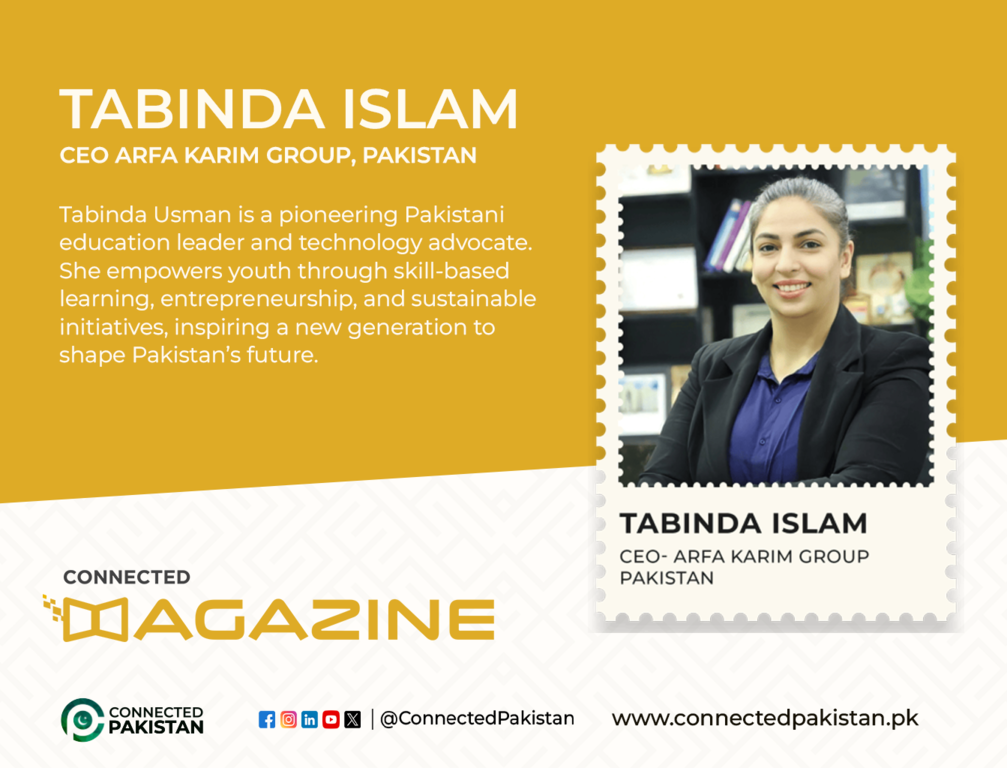
Pakistan is one of the fastest-growing freelancing economies in the world. Thousands of freelancers, digital professionals, and entrepreneurs are building careers in technology, design, marketing, and online services.
As AI tools become more accessible, Pakistani professionals will need to focus on skills that enhance human value rather than compete directly with automation.
This includes:
Developing these abilities can help Pakistan strengthen its digital economy and global competitiveness.
Experts believe the future workplace will rely on human-AI collaboration rather than complete automation.
Professionals who succeed will likely be those who can:
Rather than replacing humans entirely, AI is expected to augment human capabilities.
Artificial intelligence will continue to transform industries and reshape the global workforce. However, the most valuable skills in the future will be those that machines cannot easily replicate.
Critical thinking, creativity, emotional intelligence, leadership, and adaptability are essential human abilities that remain difficult for AI to automate.
By focusing on these future-proof skills, individuals can prepare themselves for a world where technology and human intelligence work together to drive progress and innovation.